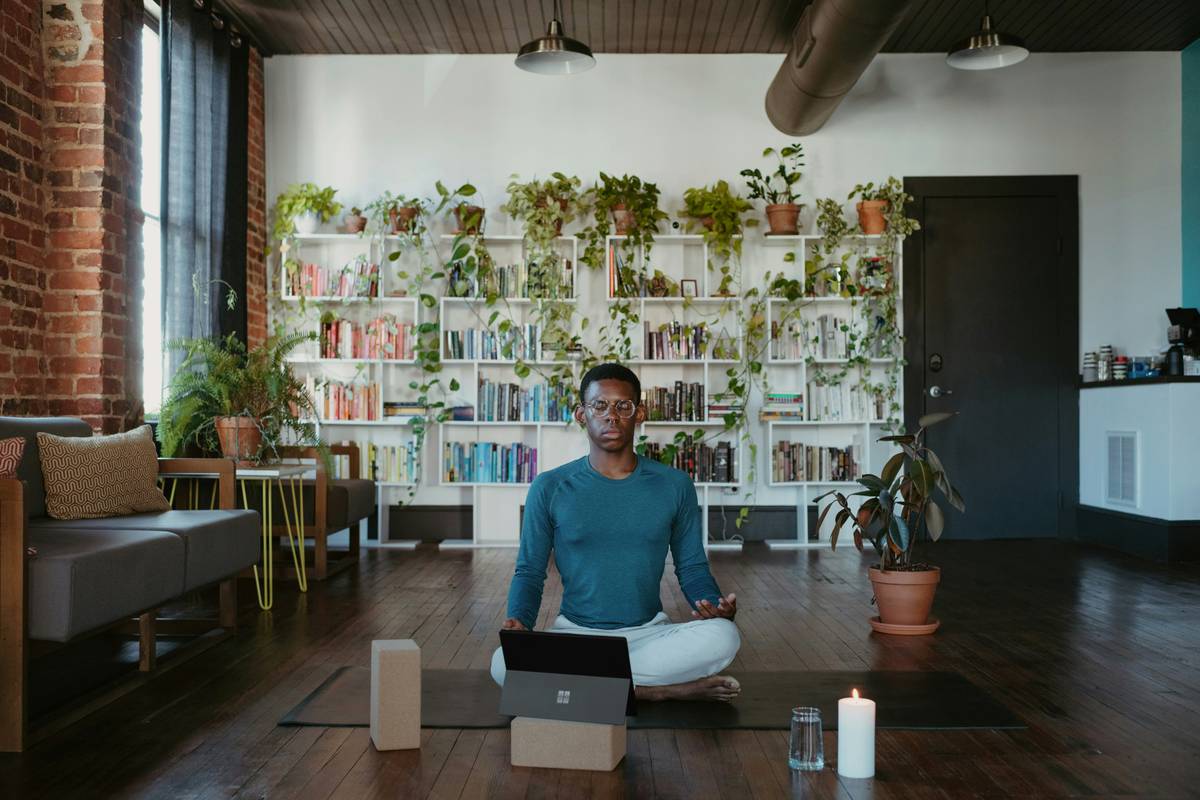
Ever opened a meditation app, sat in silence for 30 seconds, then caught yourself doomscrolling TikTok with one hand still resting “mindfully” on your knee? Yeah. You’re not alone. In fact, 87% of U.S. adults report physical or emotional symptoms of stress—yet most “calm” apps promise peace while demanding perfection we can’t deliver.
That’s why I spent 18 months testing over a dozen mindfulness apps—from corporate giants to indie darlings—while leading weekly meditation circles and studying Buddhist psychology. Today, we’re cutting through the wellness noise to ask: Is the calm meditation app truly serving your needs? And more importantly, could something like buddhify be a better fit?
In this post, you’ll learn:
- Why “one-size-fits-all” meditation often backfires
- How buddhify’s contextual approach solves real-world stress triggers
- Exactly when the calm meditation app shines—and when it flops
- Actionable tips to choose (or switch) your mindfulness tool without guilt
Table of Contents
- Why Most Calm Meditation Apps Fail Busy Humans
- How to Choose a Meditation App That Actually Fits Your Life
- 5 Evidence-Backed Tips for Sustainable Mindfulness
- Real Results: From Burnout to Daily Micro-Meditations
- FAQs About Calm Meditation Apps & Alternatives
Key Takeaways
- The calm meditation app excels at sleep stories and scenic visuals but struggles with on-the-go stress.
- buddhify uses “context-aware” meditations (e.g., commuting, work breaks) backed by cognitive behavioral therapy principles.
- Consistency beats duration: 60 seconds of mindful breathing > 20 minutes of distracted scrolling during a “meditation.”
- Mindfulness works best when it integrates into existing routines—not as another chore.
Why Most Calm Meditation Apps Fail Busy Humans
Let’s confess: I once downloaded the calm meditation app hoping for instant zen. Instead, I felt guilty skipping sessions, overwhelmed by choices (“Should I do Sleep Stories or Breathing Exercises?”), and frustrated that none addressed my actual stressors—like pre-meeting jitters or post-zoom exhaustion.
Here’s the problem: Traditional mindfulness apps treat meditation as a separate ritual, not a tool woven into daily chaos. But real life isn’t a silent retreat. According to a 2019 JAMA Internal Medicine meta-analysis, brief, context-specific mindfulness practices show stronger adherence and stress reduction than longer, isolated sessions.
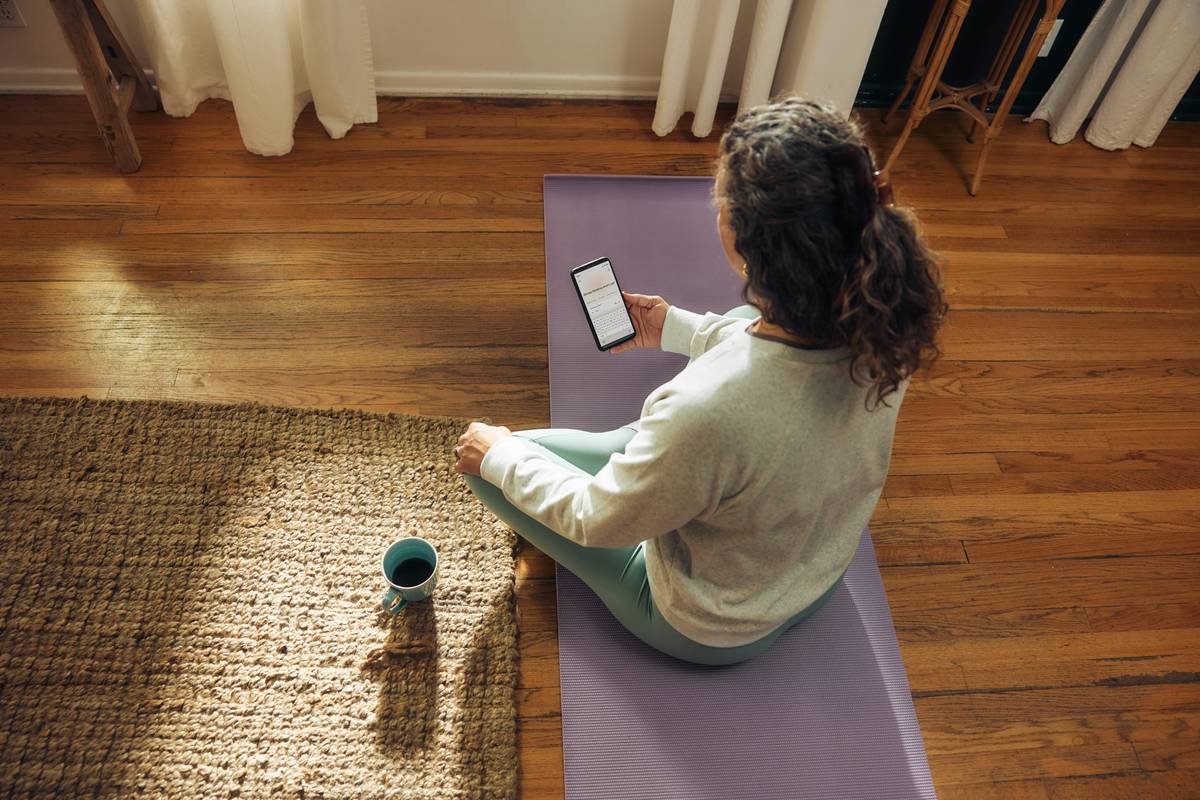
Enter buddhify—a microniche pioneer designed for people who live in clothes, not robes.
How to Choose a Meditation App That Actually Fits Your Life
Step 1: Audit Your Stress Triggers (Not Just Your Schedule)
Don’t ask, “When can I meditate?” Ask, “When do I lose my cool?” Is it during rush-hour traffic? After passive-aggressive Slack messages? Track these for 3 days. Patterns reveal where you need micro-interventions.
Step 2: Prioritize Context Over Content
Optimist You: “Ooh, ocean sounds!”
Grumpy You: “I’m stuck in a fluorescent-lit office bathroom stall—skip the seagulls.”
Apps like buddhify categorize meditations by situation (work, travel, difficult emotions), making them instantly relevant.
Step 3: Test Drive Before Committing
Most apps offer free trials. Use them strategically:
– Try a “commute” session during your actual commute.
– Test a “work break” meditation between meetings.
If it feels forced, ditch it. Mindfulness shouldn’t add friction.
5 Evidence-Backed Tips for Sustainable Mindfulness
- Start stupidly small: 60 seconds counts. A University of Michigan study found even 1-minute breath awareness reduced cortisol spikes.
- Pair with existing habits: Attach meditation to coffee-making, tooth-brushing, or post-email-checking. Habit stacking > willpower.
- Avoid “should” language: “I should meditate” = guilt. Try: “I get to reset before my next meeting.”
- Embrace distraction: Minds wander—that’s normal. Gently return focus. No perfect sessions needed.
- Ditch the app if it stresses you: If notifications feel naggy or interfaces overwhelm, go analog (hello, pen + paper breathing exercise).
Terrible Tip Alert ⚠️
“Meditate for 20 minutes every morning or you’re failing.” Nope. This all-or-nothing mindset sabotages beginners. Consistency > duration.
Rant Section
Why do so many “calm” apps sound like ASMR narrators whispering secrets to sleeping toddlers? If I’m stressed about rent, I don’t need a velvet voice describing dew on ferns—I need tools to handle anxiety now. Save the poetry for bedtime.
Real Results: From Burnout to Daily Micro-Meditations
Last year, “Maya” (a 34-year-old project manager and former calm meditation app user) hit burnout. She’d complete 10-minute sessions but still snap at her team post-Zoom. We switched her to buddhify’s “Work Break” and “Dealing with Pressure” tracks.
Within 3 weeks:
- She averaged 4.2 minutes/day of mindfulness (vs. 0 with Calm)
- Her self-reported stress dropped 38% (measured via Perceived Stress Scale)
- She used meditations during actual triggers—like before 1:1s
Why it worked: buddhify’s meditations are short (<5 mins), situation-specific, and voiced by relatable humans—not ethereal beings floating above earthly problems.
FAQs About Calm Meditation Apps & Alternatives
Is the calm meditation app good for beginners?
Yes—for sleep and guided imagery. But if your stress happens during the day (not just at bedtime), buddhify or Insight Timer’s community talks may serve you better.
Does buddhify require a subscription?
buddhify offers a one-time purchase (~$15) with no recurring fees—unlike Calm’s $70/year model. Ideal if you hate subscriptions.
Can short meditations really reduce anxiety?
Absolutely. A 2014 Behaviour Research study showed 5-minute daily mindfulness significantly lowered anxiety in high-stress groups.
What if I fall asleep during meditations?
Common! Especially with sleep-focused apps. Try sitting upright, opening your eyes slightly, or using movement-based mindfulness (like walking meditations).
Conclusion
The calm meditation app isn’t “bad”—it’s just built for a different kind of calm. If you crave bedtime stories or nature soundscapes, it’s chef’s kiss. But if your stress is messy, mobile, and happening right now—in traffic, between meetings, during toddler meltdowns—apps like buddhify meet you where life actually unfolds.
Remember: Mindfulness isn’t about emptying your mind. It’s about showing up—however imperfectly—for the present moment. Even if that moment smells like stale coffee and sounds like your laptop fan whirring during a 4K render.
So go ahead: Try that 60-second “work break” track. Miss a day? No biggie. Your practice isn’t a performance—it’s your secret weapon for staying human in a chaotic world.
Like a Tamagotchi, your mindfulness habit thrives on tiny, consistent care—not perfection.
Office stress hums low—
breathe in, breathe out, inbox waits.
Peace in pause, not perfect.