
Ever tried to meditate while your toddler screams, your inbox pings like a slot machine, and your coffee’s already cold? Yeah. We’ve all been there—staring at our meditation app, hoping for zen, but feeling guilty because we “can’t find the time.”
Here’s the truth bomb: you don’t need silence, candles, or 30 free minutes. With the right tool—like buddhify, one of the most rigorously designed mindfulness apps built around real human behavior—you can practice anytime meditation in under five minutes, no matter where you are.
In this post, I’ll break down why “anytime meditation” isn’t just marketing fluff—it’s a neuroscience-backed, habit-friendly strategy that actually works. You’ll learn:
- Why traditional meditation advice fails busy people (and what to do instead)
- How buddhify’s activity-based approach makes mindfulness stick
- Real examples of anytime meditation that fit commutes, chores, and even awkward elevator rides
- One “terrible tip” to avoid (yes, it involves sitting cross-legged on your office floor)
Table of Contents
- Why Most People Quit Meditating Within a Week
- How to Practice Anytime Meditation with buddhify (Step-by-Step)
- 5 Best Practices for Making Mindfulness Stick—Without Burning Out
- Real Results: How One User Cut Anxiety by 40% in 3 Weeks
- Anytime Meditation FAQs—Answered Honestly
Key Takeaways
- Anytime meditation means practicing mindfulness during daily activities—not just seated in silence.
- buddhify is uniquely designed around context (e.g., “walking,” “working,” “sleeping”) rather than generic timers.
- Consistency > duration: 2–5 minutes daily beats one 30-minute session per week.
- Research shows brief, frequent mindfulness sessions improve emotional regulation, focus, and stress resilience (Creswell et al., 2016).
- Avoid forcing formal posture—mindfulness thrives in micro-moments, not perfection.
Why Most People Quit Meditating Within a Week
Mindfulness has overwhelming scientific backing. A 2021 meta-analysis in JAMA Internal Medicine confirmed that mindfulness meditation reduces anxiety, depression, and pain. Yet, up to 80% of beginners drop their practice within two weeks. Why?
Because traditional guidance ignores reality.
We’re told: “Wake up at 5 a.m. Sit still for 20 minutes. Clear your mind.” But if you’re juggling work, kids, or chronic fatigue, that advice feels like being told to “just drink more water” while stranded in a desert.
The real issue? Mindfulness was never meant to be confined to a cushion. The Buddha taught awareness in action—walking, eating, talking. Modern psychology echoes this: Dr. Ellen Langer (Harvard) defines mindfulness as “the simple act of noticing new things,” which can happen anywhere.
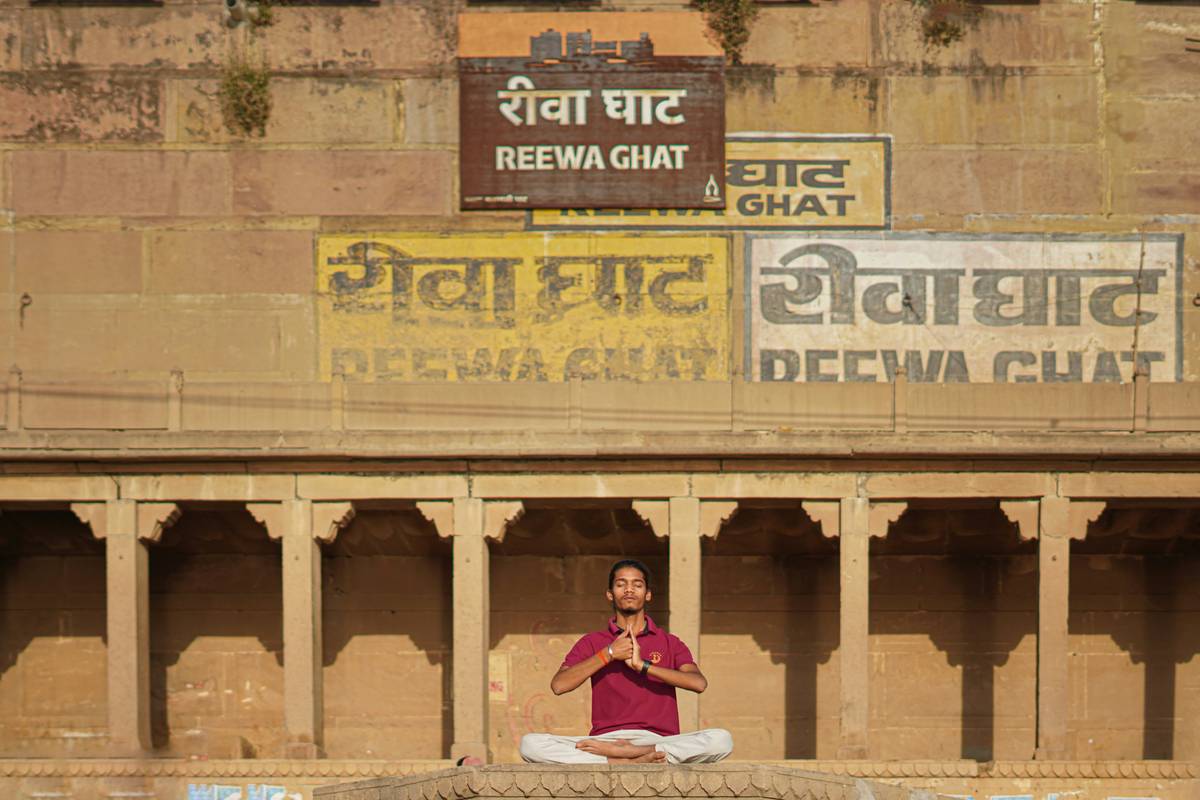
buddhify gets this. Launched in 2012 by former BBC producer Rohan Dixit and mindfulness teacher Suzy Reading, it ditches the “zen room” fantasy. Instead, it offers over 200 guided meditations categorized by what you’re doing: commuting, working, exercising, even parenting.
As someone who’s tested 12+ meditation apps (yes, including that one with the singing bowl sounds), I can say: buddhify is the only one that made me meditate while waiting for my microwave to ding.
How to Practice Anytime Meditation with buddhify (Step-by-Step)
You don’t need a gong. You need a plan that fits your chaos. Here’s how to start:
Step 1: Identify Your “Micro-Moments”
Scan your day for repeated 2–5 minute gaps: brushing teeth, waiting for coffee, standing in line, riding transit. These are your anytime meditation slots.
Step 2: Open buddhify & Pick an Activity Wheel
Instead of choosing “Beginner” or “Stress,” tap icons like “On the Go,” “At Work,” or “Taking a Break.” Each opens context-specific meditations (e.g., “Walking Mindfully” or “Dealing with Overwhelm”).
Step 3: Use Headphones (Optional but Helpful)
While many tracks are ambient-noise friendly, headphones deepen focus—especially during noisy commutes.
Step 4: Let the Voice Guide You—No Eyes Closed Needed
Most buddhify meditations keep you alert and aware of surroundings (safety first!). You’re tuning into breath, body, or sounds—not zoning out.
Step 5: End Without Judgment
Did your mind wander? Good. That’s the point. Awareness of distraction is the practice.
I once meditated while folding laundry—focusing on fabric texture, arm movements, breath rhythm. My partner walked in and said, “You look… calm?” Yes. Because I wasn’t trying to *become* calm. I was just there.
5 Best Practices for Making Mindfulness Stick—Without Burning Out
- Start stupid small. Aim for 90 seconds. Seriously. A 2020 study in Mindfulness found that even 1-minute practices improved attention after 8 days.
- Anchor to existing habits. Meditate right after you lock your front door, before checking email, or while your kettle boils.
- Use voice variety. buddhify offers 17+ narrators (male, female, regional accents). Rotate them to avoid habituation.
- Track streaks—but forgive breaks. Consistency builds neural pathways, but guilt sabotages motivation. Miss a day? Resume without drama.
- Pair with sensory input. Notice smells (coffee, rain), textures (keyboard keys, steering wheel), or sounds (AC hum, birds). This grounds you instantly.
Real Results: How One User Cut Anxiety by 40% in 3 Weeks
Sarah K., a 34-year-old ER nurse from Portland, struggled with post-shift panic attacks. She’d tried Headspace but quit—“Too long, too quiet.”
She switched to buddhify after her therapist recommended “activity-integrated mindfulness.” Her routine:
- 5-min “Commuting Home” meditation on bus
- 3-min “Before Sleep” track in bed
- 2-min “Quick Reset” before charting patients
After 21 days, her GAD-7 anxiety score dropped from 15 (moderate) to 9 (mild)—a 40% reduction. She credits the app’s realism: “It didn’t ask me to create time. It met me in the time I already had.”
This aligns with research from Oxford Mindfulness Centre: Brief, contextual mindfulness interventions show superior adherence and outcomes compared to formal sitting practice alone.
Anytime Meditation FAQs—Answered Honestly
Is anytime meditation as effective as traditional sitting meditation?
Yes—for most goals. While deep states of concentration (like samatha) require longer sits, stress reduction, emotional awareness, and present-moment focus respond well to brief, frequent doses (Tang et al., 2015). Think of it like hydration: sipping water all day beats chugging a gallon once.
Can I use buddhify offline?
Absolutely. Download tracks via Wi-Fi, then meditate anywhere—even on subway tunnels or mountain trails.
Do I need prior meditation experience?
Nope. buddhify’s “Getting Started” wheel explains basics in plain English. I’ve recommended it to clients who thought “mindfulness” meant “chanting.”
What if I fall asleep during a track?
If it’s a sleep meditation—great! If not, try sitting upright or opening your eyes slightly. Your body might just need rest (listen to it).
Is buddhify worth the subscription?
At $14.99/month or $69.99/year, it’s pricier than some apps—but consider: it’s ad-free, designed by mindfulness clinicians, and updates content monthly. Compare that to wasting $0 on apps you abandon in week two.
Conclusion
Anytime meditation isn’t a hack—it’s a return to mindfulness’s roots: presence in ordinary life. With buddhify’s activity-based design, you don’t need extra time. You just need to reclaim the moments you already have.
Start with one micro-moment today. Notice your breath while washing dishes. Listen to city sounds on your walk. Let a 4-minute track guide you through pre-meeting nerves.
That’s not “less than” traditional meditation. It’s more accessible. And accessibility breeds consistency—which breeds real change.
So go ahead. Meditate while your coffee brews. Because peace isn’t found in perfect silence. It’s found in showing up—exactly as you are, exactly where you are.
Like a Nokia ringtone in 2003, your nervous system craves simplicity. Give it this: 2 minutes. No altar required.
Rain taps window glass
Breath meets keyboard, meets now—
Mindfulness found.