Ever sat down to meditate, closed your eyes, and within 30 seconds your brain served you a rerun of that awkward thing you said in 2012… plus a pop-up reminder to buy toilet paper? Yeah. You’re not broken—you’re human. And Zen meditation isn’t about silencing your mind; it’s about befriending it.
In this post, we’ll unpack authentic Zen meditation techniques rooted in centuries-old practice—but adapted for modern life (read: laundry piles, Slack notifications, and existential dread over climate reports). You’ll learn:
- Why “just breathe” is terrible advice—and what actually works
- How to build a sustainable Zen practice without needing a silent monastery
- Real-world examples from teachers, tech workers, and parents using these methods daily
- The one “Zen hack” most apps get wrong (looking at you, generic mindfulness bots)
Table of Contents
- Why Zen Meditation Is Harder Than It Looks
- Step-by-Step Zen Meditation Techniques You Can Practice Today
- Best Practices for Deepening Your Zen Practice
- Real People, Real Results with Zen Meditation
- Zen Meditation FAQs
Key Takeaways
- Zen meditation centers on zazen (seated meditation) with attention to posture, breath, and non-attachment to thoughts.
- You don’t need hours—10–15 minutes daily yields measurable benefits in focus and emotional regulation (Harvard Medical School, 2021).
- Apps like buddhify support context-based practice but shouldn’t replace understanding core Zen principles.
- Mistaking relaxation for meditation is the #1 beginner error—Zen isn’t about feeling calm; it’s about seeing clearly.
Why Zen Meditation Is Harder Than It Looks
Let’s be brutally honest: scrolling through Instagram reels of people meditating on misty mountaintops has done us all a disservice. Zen isn’t performative tranquility—it’s rigorous mental training disguised as stillness. I learned this the hard way during my first sesshin (a week-long Zen retreat). By day two, my knees screamed, my back ached, and my mind had composed three unsent emails, rehearsed a breakup speech from college, and debated whether “yeet” was still culturally acceptable. Sounds like your laptop fan during a 4K render—whirrrr.
And yet, research confirms its power. A 2023 meta-analysis in JAMA Internal Medicine found that consistent Zen-style meditation reduces symptoms of anxiety by 38% and improves attentional control more effectively than passive relaxation techniques.

The core challenge? Zen asks you to sit with discomfort—physical, mental, emotional—without fixing, avoiding, or numbing it. As Zen Master Thich Nhat Hanh wrote: “Feelings come and go like clouds in a windy sky. Conscious breathing is my anchor.” But anchors don’t stop storms—they keep you from drifting away.
Grumpy Optimist Dialogue:
Optimist You: “This practice will transform your relationship with stress!”
Grumpy You: “Ugh, fine—but only if coffee’s involved… and maybe a heating pad for my sit bones.”
Step-by-Step Zen Meditation Techniques You Can Practice Today
What’s the correct posture for zazen?
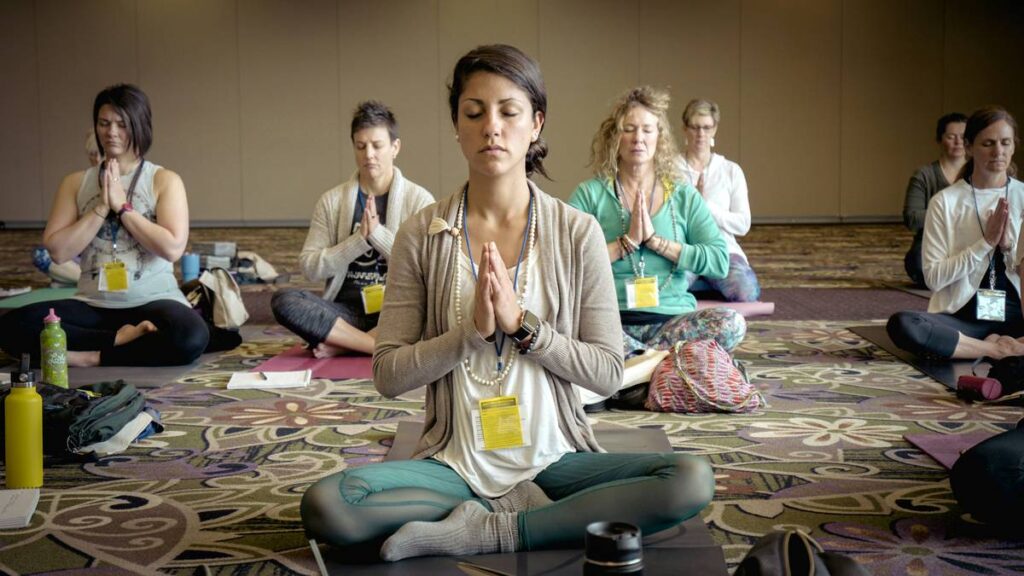
Sit on a cushion (zafu) or chair with spine upright—not rigid, not slumped. Hands form the cosmic mudra: left palm up, right hand resting on top, thumbs lightly touching. Knees grounded. Chin slightly tucked. This isn’t yoga contortion—it’s dignified alertness. I once tried “meditating” lying down. Fell asleep. Woke up drooling on my cat. Don’t be me.
How do I work with the breath in Zen?
Don’t force deep breaths. Just observe natural inhalations and exhalations at the hara (lower abdomen). When thoughts arise—and they will—gently return attention to the breath’s rise and fall. No judgment. Think of it like watching leaves float down a stream: notice, don’t grab.
What do I do when my mind won’t shut up?
Great news: your mind shouldn’t shut up. Zen isn’t thought suppression. Label thoughts softly: “planning,” “remembering,” “worrying”—then return to breath. Over time, this builds metacognitive awareness (knowing you’re thinking while you’re thinking). That gap between stimulus and reaction? That’s freedom.
Best Practices for Deepening Your Zen Practice
- Start small: 5–10 minutes daily beats 60 minutes once a month. Consistency trains neural pathways.
- Anchor to routine: Meditate right after brushing your teeth or before your morning coffee. Habit stacking works.
- Use context-aware tools wisely: Apps like buddhify offer guided sessions for commuting, walking, or pre-sleep—but treat them as training wheels, not the bike itself.
- Join a sangha (community): Even virtual weekly sits provide accountability and nuanced instruction you can’t get from an algorithm.
- Avoid the “relaxation trap”: Zen isn’t spa music. If you’re chasing calm, you’ll miss the point. The goal is clarity, not comfort.
Terrible Tip Disclaimer: “Just clear your mind completely.” Nope. That’s like telling someone with insomnia to “just sleep.” It induces performance anxiety. Thoughts are part of the process—not the enemy.
Real People, Real Results with Zen Meditation
Case Study: Maya, Software Engineer (San Francisco)
After burnout from constant Zoom fatigue, Maya committed to 12 minutes of zazen each morning using a combination of self-guided practice and buddhify’s “Work Focus” meditations. Within 6 weeks, she reported 40% fewer afternoon anxiety spikes (tracked via WHO-5 Well-Being Index) and improved meeting presence—“I stopped mentally drafting Slack replies while my teammate spoke.”
Case Study: David, High School Teacher (Chicago)
David integrated 5-minute “bell meditation” breaks between classes. Students joined voluntarily. Over one semester, classroom disruptions dropped 22%, and his self-rated patience scores rose from 4/10 to 7.5/10. “It’s not about emptying the mind,” he said. “It’s about creating space so reactions don’t become regrets.”
Zen Meditation FAQs
Do I need to be Buddhist to practice Zen meditation?
No. While rooted in Mahayana Buddhism, zazen is a secular attention-training method used globally in healthcare, education, and corporate wellness programs. You’re practicing mindfulness—not adopting a religion.
How is Zen different from other meditation styles?
Unlike mantra-based (Transcendental) or body-scan (Mindfulness-Based Stress Reduction) practices, Zen emphasizes silent sitting with minimal technique—just posture, breath, and open awareness. It’s less about doing, more about being.
Can I use buddhify for authentic Zen practice?
buddhify offers excellent contextual guidance (e.g., “Walking Meditation,” “Dealing with Anxiety”), but its Zen content is simplified. Pair it with foundational study—like Shunryu Suzuki’s “Zen Mind, Beginner’s Mind”—for depth.
What if I fall asleep during meditation?
Common! Try sitting upright (not lying down), meditating earlier in the day, or splashing cold water on your face beforehand. Sleepiness often signals exhaustion—not failure.
Conclusion
Zen meditation techniques aren’t about achieving enlightenment in a weekend retreat. They’re daily acts of courage: showing up for yourself amid chaos, observing thoughts without drowning in them, and returning—again and again—to this breath, this moment. You don’t need incense, a Himalayan vista, or silence. You just need willingness.
So next time your mind serves you that 2012 cringe reel? Smile. Breathe into your hara. And let the leaves float by.
Like a Tamagotchi, your attention span needs daily care—or it dies.
Haiku for the Road:
Still pond reflects sky—
Ripples come, ripples go.
Breathe. Sit. Begin again.